-
Shop
- Adidas
- Advanced Technologies
- AI Skills Mastery 2026 Collection
- Apple Accessories
- Armani
- Best-Sellers
- Calvin Klein
- Car Accessories
- Clothing
- Dating & Social Skills
- Digital Resources
- Beauty
- Budgeting & Saving
- Car Buying & Ownership
- Cozy Feast Collection
- Emotional Intelligence
- Entrepreneurship & Business Growth
- Financial Education
- Financial Independence
- Financial Mindset & Psychology
- Goal Setting
- Hobbies
- Leadership
- Mindfulness
- Motivation
- Parenting & Child Development
- Personal Style & Fashion
- Pet Lifestyle & Wellness
- Positive Thinking
- Self Confidence
- Sleep Improvement
- Stress Management & Relaxation
- Travel Planning
- Yoga & Fitness
- Yoga & Mind-Body Practices
- Education & Learning
- Family & Parenting
- Fashion
- Accessories
- Alexander McQueen
- Bags
- Bags & Wallets
- Balenciaga
- Belts
- Blazers
- Blouses & Shirts
- Bottega Veneta
- Brunello Cucinelli
- Burberry
- Chanel
- Chloé
- Dior
- Dolce & Gabbana
- Dresses
- Etro
- Fendi
- Gucci
- Hats & Hair Accessories
- Hoodies & Sweatshirts
- Jacquemus
- Jewelry
- Jil Sander
- Jimmy Choo
- Kiton
- Luggage
- Luggage Bags
- Miu Miu
- Off-White
- Prada
- Rick Owens
- Saint Laurent
- Scarves
- Shoes
- Socks & Tights
- Sunglasses
- Sweaters & Cardigans
- The Row
- Tom Ford
- Tops & Shirts
- Valentino
- Valentino Garavani
- Versace
- Vivienne Westwood
- Watches
- Fashion Accessories
- Gadgets
- Guess
- Health & Beauty
- Health & Wellness
- Home & Garden
- Home Supplies
- Kids & Babies
- Kitchen Best-Sellers
- Luxury Brands Collection
- Nike
- Online Business for Beginners
- Patio, Lawn & Garden
- Personal Growth
- Pet Care
- Pet Supplies
- Pets
- Smart Home Living Guides
- Sport & Outdoors
- Super Deals
- TikTok Growth & Monetization Mastery
- Travel
- Wealth
- Wealth Building
- Popular
- Best deals
Windproof Cycling Handlebar Mitts for Warm Winter Hands
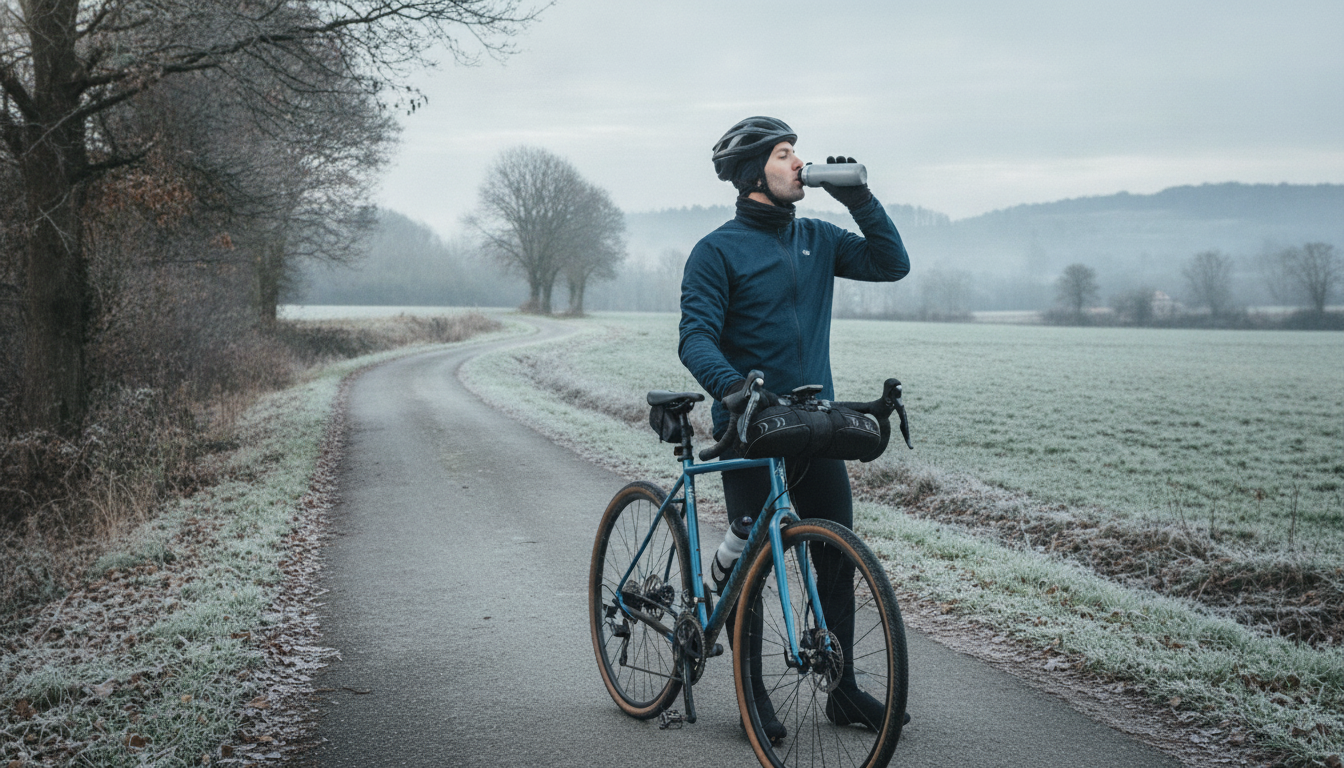
Cycling Handlebar Mitts – Windproof Thermal Bike Hand Covers for Cold-Weather Rides
Cold wind can numb fingers fast, even with thick gloves. Handlebar mitts create a warm, sheltered pocket around the grips and controls so hands stay protected while braking and shifting remain easy. For winter commuting, dawn patrols, and exposed roads, they’re one of the simplest upgrades for keeping comfort and control where it matters most: at the bars.
What Handlebar Mitts Do (and Why They Feel Warmer Than Gloves Alone)
Gloves insulate, but wind is the great heat thief—especially when you’re cruising at speed or descending. Bar mitts (sometimes called pogies) wrap around your grips and levers to create a calmer microclimate for your hands.
- They block direct wind chill around your hands, which is often the biggest cause of numbness on rides.
- They trap a layer of warmer air around your gloves, reducing heat loss during steady cruising.
- They keep controls accessible by letting you use lighter gloves underneath when conditions are dry.
- They help reduce hand fatigue by maintaining warmth and dexterity for braking and shifting.
If you’ve ever felt fine everywhere else but lost finger feeling after 20 minutes, wind chill is usually the culprit. The National Weather Service wind chill chart is a useful reminder of how quickly “not that cold” air becomes bitter once you’re moving.
Key Features to Look For in Windproof Thermal Bar Mitts
Not all mitts feel the same on the bike. The best ones balance insulation, weather protection, and a stable fit so you can ride normally—just warmer.
- Wind-blocking outer shell to cut gusts on descents and open roads.
- Thermal lining for insulation without excessive bulk at the grips.
- Weather resistance at seams and openings to limit drafts and spray.
- Wide cuff opening that seals around wrists while still allowing quick hand entry/exit.
- Stable mounting so the mitt doesn’t twist when sprinting or standing to climb.
- Reflective accents for low-light visibility in winter commuting.
Warmth is also a safety issue: numb hands can delay braking and make it harder to react. For cold exposure risks, the CDC’s frostbite guidance is a practical reference for recognizing early warning signs.
Fit and Compatibility: Flat Bars, Drop Bars, and Control Clearance
Compatibility is mostly about bar shape, lever access, and whether the opening stays “ready” for quick hand entry. Before buying, confirm your bar type and how crowded your cockpit is with accessories.
- Confirm bar type: many mitts are designed for flat/commuter/MTB bars; drop-bar compatibility may require specific shaping.
- Check shifter and brake lever clearance so hands can reach controls without snagging.
- Account for bar-end accessories (bells, lights, mirrors, phone mounts) that may interfere with mounting.
- Look for stiffened openings or internal supports that prevent collapse at the entry point.
- Test full steering range and cable routing to avoid pulling or rubbing.
Quick compatibility checklist
| Item to check | Why it matters | What to confirm |
|---|---|---|
| Brake lever reach | Safe stopping in bulky winter gear | Full lever pull without the mitt blocking knuckles |
| Shifter access | Clean, reliable shifting | Thumb/finger paddles move freely inside the mitt |
| Bar accessories | Prevent mounting conflicts | Lights/bells/mounts don’t force gaps that leak air |
| Entry stiffness | Fast hand entry/exit | Opening stays open and doesn’t fold inward while riding |
| Cable routing | Smooth steering and control feel | No binding at full left/right turn |
When to Use Mitts vs. Heavier Gloves
Bar mitts aren’t a total replacement for gloves—they’re a system. The right pairing depends on how wet the ride is, not just how cold.
- Mitts excel in dry cold and windy conditions where wind chill is the main problem.
- Heavier waterproof gloves may be better for prolonged rain or slush when hands are constantly wet.
- A practical setup for many riders: thin to midweight gloves + mitts for warmth and dexterity.
- If hands sweat easily, consider venting or brief hand-out moments during climbs to avoid damp chill.
For broader cold-weather riding tips—layers, visibility, and what to watch for on winter roads—the Bicycle Helmet Safety Institute’s cold weather bicycling page is a solid checklist-style resource.
Setup Tips for Warmer Hands and Better Control
A few minutes of setup can make the difference between “kind of warm” and “forget-about-your-hands warm.” Focus on entry angle, draft sealing, and lever feel.
Care and Maintenance for a Longer-Lasting Set
Featured Option: Cycling Handlebar Mitts – Windproof Thermal Bike Hand Covers
For riders who want a straightforward way to cut wind exposure at the grips, Cycling Handlebar Mitts – Windproof Thermal Bike Hand Covers are designed to create a warmer pocket around your hands while keeping your position close to brakes and shifters. They’re a practical add-on for winter commuting, early-morning rides, and any route where exposed stretches or fast descents make fingers go numb.
At-a-glance details
| Item | Details |
|---|---|
| Product | Cycling Handlebar Mitts – Windproof Thermal Bike Hand Covers |
| Price | 76.82 USD |
| Availability | In stock |
| Product page | View product |
More In-Stock Picks
FAQ
Do handlebar mitts work with regular winter gloves?
Yes—handlebar mitts are typically used over gloves. Many riders end up switching to thinner gloves inside the mitt so they keep dexterity while staying warm.
Will braking and shifting feel awkward with bar mitts?
It shouldn’t if the mitt has enough internal space and is mounted so levers move freely. A short setup test ride is the quickest way to confirm lever clearance and comfortable hand entry.
Are handlebar mitts good for rain and slush?
They can help block spray, but performance depends on the shell’s water resistance and how well seams and openings resist drafts and moisture. In persistent heavy rain, waterproof gloves may still be necessary.
Recommended for you


Wagging Tail Bandana Collar: Easy Everyday Dog Style
Jun 26, 2026













Leave a comment