-
Shop
- Adidas
- Advanced Technologies
- AI Skills Mastery 2026 Collection
- Apple Accessories
- Armani
- Best-Sellers
- Calvin Klein
- Car Accessories
- Clothing
- Dating & Social Skills
- Digital Resources
- Beauty
- Budgeting & Saving
- Car Buying & Ownership
- Cozy Feast Collection
- Emotional Intelligence
- Entrepreneurship & Business Growth
- Financial Education
- Financial Independence
- Financial Mindset & Psychology
- Goal Setting
- Hobbies
- Leadership
- Mindfulness
- Motivation
- Parenting & Child Development
- Personal Style & Fashion
- Pet Lifestyle & Wellness
- Positive Thinking
- Self Confidence
- Sleep Improvement
- Stress Management & Relaxation
- Travel Planning
- Yoga & Fitness
- Yoga & Mind-Body Practices
- Education & Learning
- Family & Parenting
- Fashion
- Accessories
- Alexander McQueen
- Bags
- Bags & Wallets
- Balenciaga
- Belts
- Blazers
- Blouses & Shirts
- Bottega Veneta
- Brunello Cucinelli
- Burberry
- Chanel
- Chloé
- Dior
- Dolce & Gabbana
- Dresses
- Etro
- Fendi
- Gucci
- Hats & Hair Accessories
- Hoodies & Sweatshirts
- Jacquemus
- Jewelry
- Jil Sander
- Jimmy Choo
- Kiton
- Luggage
- Luggage Bags
- Miu Miu
- Off-White
- Prada
- Rick Owens
- Saint Laurent
- Scarves
- Shoes
- Socks & Tights
- Sunglasses
- Sweaters & Cardigans
- The Row
- Tom Ford
- Tops & Shirts
- Valentino
- Valentino Garavani
- Versace
- Vivienne Westwood
- Watches
- Fashion Accessories
- Gadgets
- Guess
- Health & Beauty
- Health & Wellness
- Home & Garden
- Home Supplies
- Kids & Babies
- Kitchen Best-Sellers
- Luxury Brands Collection
- Nike
- Online Business for Beginners
- Patio, Lawn & Garden
- Personal Growth
- Pet Care
- Pet Supplies
- Pets
- Smart Home Living Guides
- Sport & Outdoors
- Super Deals
- TikTok Growth & Monetization Mastery
- Travel
- Wealth
- Wealth Building
- Popular
- Best deals
Vintage Cotton Velvet Runner: Non-Slip, Absorbent Comfort
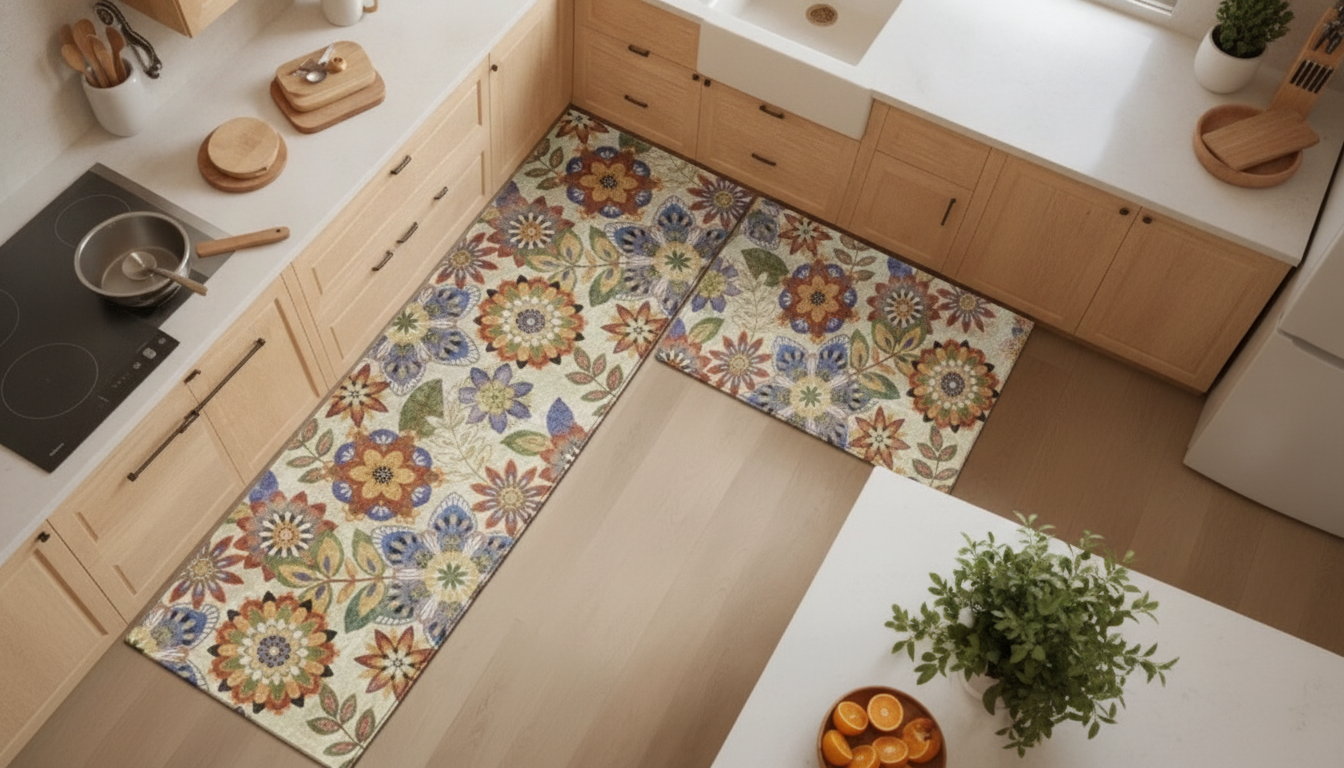
Vintage Cotton Velvet Kitchen & Hallway Rug: Soft Underfoot, Steady on the Floor
A well-placed rug in the kitchen or hallway should do more than look good—it should stay put, handle splashes, and feel comfortable during everyday routines. This vintage-style cotton velvet floor mat is designed for high-traffic areas where traction, absorbency, and easy care matter.
Why This Rug Works in Kitchens and Hallways
Kitchens and hallways get treated like thoroughfares: quick turns, damp shoes, sudden drips, and constant back-and-forth. A rug in these zones needs to be comfortable, but also dependable. The cotton velvet surface delivers a soft, velvet-like feel with a classic, vintage-inspired look that warms up hard flooring without making the space feel heavy.
Underneath, the non-slip backing is built to help keep footing stable near sinks, stoves, and entryways where slick spots can happen. The absorbent pile helps catch minor drips and damp shoe moisture before it spreads, which is especially useful in busy households. And because it’s low-profile, it fits naturally in narrow hallways and between cabinets where thicker rugs can bunch, snag, or look out of scale.
For broader home safety context—especially in places where slips are more likely—see the CDC’s guidance on preventing falls at home.
Materials and Feel: Cotton Velvet Comfort Without the Fuss
The rug’s cotton velvet face provides a smooth, cozy texture that feels better than bare tile when you’re standing to prep ingredients, wash dishes, or unload the dishwasher. Instead of a delicate “look-only” finish, the surface is meant to be practical for frequent use, so it suits the reality of everyday kitchens and entry spaces.
Visually, the vintage finish pairs easily with farmhouse, traditional, boho, or eclectic interiors. It can soften modern spaces with a hint of character, or blend into a layered, collected look. If your hallway or galley kitchen feels a little stark, the right rug can add warmth without needing new paint, hardware, or permanent upgrades.
Non-Slip Performance: Where It Matters Most
Non-slip support matters most where water and motion overlap—right by the sink, near the dishwasher, and at entry points. The backing is designed to reduce shifting caused by quick turns and repeated foot traffic, helping the rug stay aligned rather than creeping across the floor.
For best grip, place the rug on clean, dry flooring. Dust, residue, and moisture can reduce contact between the backing and the floor surface. After laying it down, smooth out the rug and ensure edges lie flat. If your household includes kids sprinting through the hallway or you’re placing the mat on extra-slick tile, adding a separate rug pad can provide even more stability.
Absorbency and Everyday Spill Control
No rug replaces good cleanup habits, but absorbent pile can make a noticeable difference in day-to-day mess control. This mat helps manage small drips from handwashing, pet bowls, and rainy-day shoes—exactly the kind of moisture that tends to spread silently across smooth floors.
It works well as a buffer zone in front of the sink or along a busy corridor where damp footprints might otherwise track deeper into the house. For heavier spills, blot quickly and follow care instructions to reduce the chance of staining and to keep moisture from lingering underneath.
Keeping fabrics clean and dry also supports a fresher-feeling home environment; the EPA’s Indoor Air Quality resources offer helpful, practical information for maintaining healthier indoor spaces.
Sizing and Placement Ideas for a Balanced Look
Placement is what makes a rug feel intentional rather than “dropped in.” In the kitchen, a runner-style placement along the sink run adds comfort where you stand most often, while also catching small splashes. In front of the stove, it can provide a softer landing during stirring, flipping, and plating—just make sure it won’t interfere with the oven door.
In hallways, centering the rug helps maintain even borders along walls and door frames, which keeps the space looking tidy. In entryways, position the rug inside the door swing range so it doesn’t bunch or curl as the door moves. In tight corridors, leaving a small floor margin on each side prevents a cramped look and makes the walkway feel cleaner.
| Location | Goal | Placement tip |
|---|---|---|
| Sink area | Comfort + splash control | Align with cabinet edge; keep corners flat |
| Stove area | Standing support | Avoid overlapping with oven door clearance |
| Hallway | Traffic durability | Center it; keep equal margins left/right |
| Entryway | Moisture control | Place where shoes land; keep door swing clear |
Care and Cleaning Basics
Who It’s Best For
Product Snapshot
If you’re ready to add comfort and traction where it counts, the Vintage Cotton Velvet Kitchen & Hallway Rug – Non-Slip Absorbent Floor Mat is available now for $46.51 (USD) and is currently in stock.
More in-stock picks
- Men’s Genuine Leather Belt with Solid Brass Buckle — a sturdy everyday accessory with classic hardware.
- Elegant Autumn Short Blazer for Women — a polished layering piece for cooler-weather outfits.
FAQ
Will the rug stay in place on tile or hardwood floors?
The non-slip backing is designed to improve grip on common hard floors. For best results, place it on a clean, dry surface and smooth the rug so edges lie flat; if you need extra stability, an optional rug pad can help.
Is it absorbent enough for kitchen sink splashes and wet shoes?
It’s made to catch minor drips and moisture from everyday use, like sink splashes and damp footwear. For bigger spills, blot promptly and let the rug dry thoroughly after cleaning.
How should it be cleaned for regular maintenance?
Vacuum or shake it out routinely to remove grit, and spot-clean fresh spills quickly. After any cleaning, make sure it dries fully, and rotate it occasionally to help reduce uneven wear in high-traffic areas.
Recommended for you

Sandalwood 2-in-1 Scalp Comb & Gua Sha Massage Tool
Jun 17, 2026










Leave a comment