-
Shop
- Adidas
- Advanced Technologies
- AI Skills Mastery 2026 Collection
- Apple Accessories
- Armani
- Best-Sellers
- Calvin Klein
- Car Accessories
- Clothing
- Dating & Social Skills
- Digital Resources
- Beauty
- Budgeting & Saving
- Car Buying & Ownership
- Cozy Feast Collection
- Emotional Intelligence
- Entrepreneurship & Business Growth
- Financial Education
- Financial Independence
- Financial Mindset & Psychology
- Goal Setting
- Hobbies
- Leadership
- Mindfulness
- Motivation
- Parenting & Child Development
- Personal Style & Fashion
- Pet Lifestyle & Wellness
- Positive Thinking
- Self Confidence
- Sleep Improvement
- Stress Management & Relaxation
- Travel Planning
- Yoga & Fitness
- Yoga & Mind-Body Practices
- Education & Learning
- Family & Parenting
- Fashion
- Accessories
- Alexander McQueen
- Bags
- Bags & Wallets
- Balenciaga
- Belts
- Blazers
- Blouses & Shirts
- Bottega Veneta
- Brunello Cucinelli
- Burberry
- Chanel
- Chloé
- Dior
- Dolce & Gabbana
- Dresses
- Etro
- Fendi
- Gucci
- Hats & Hair Accessories
- Hoodies & Sweatshirts
- Jacquemus
- Jewelry
- Jil Sander
- Jimmy Choo
- Kiton
- Luggage
- Luggage Bags
- Miu Miu
- Off-White
- Prada
- Rick Owens
- Saint Laurent
- Scarves
- Shoes
- Socks & Tights
- Sunglasses
- Sweaters & Cardigans
- The Row
- Tom Ford
- Tops & Shirts
- Valentino
- Valentino Garavani
- Versace
- Vivienne Westwood
- Watches
- Fashion Accessories
- Gadgets
- Guess
- Health & Beauty
- Health & Wellness
- Home & Garden
- Home Supplies
- Kids & Babies
- Kitchen Best-Sellers
- Luxury Brands Collection
- Nike
- Online Business for Beginners
- Patio, Lawn & Garden
- Personal Growth
- Pet Care
- Pet Supplies
- Pets
- Smart Home Living Guides
- Sport & Outdoors
- Super Deals
- TikTok Growth & Monetization Mastery
- Travel
- Wealth
- Wealth Building
- Popular
- Best deals
Dual Dynamic Bass IEMs for Gym & Commute: Fit, Seal, Sound
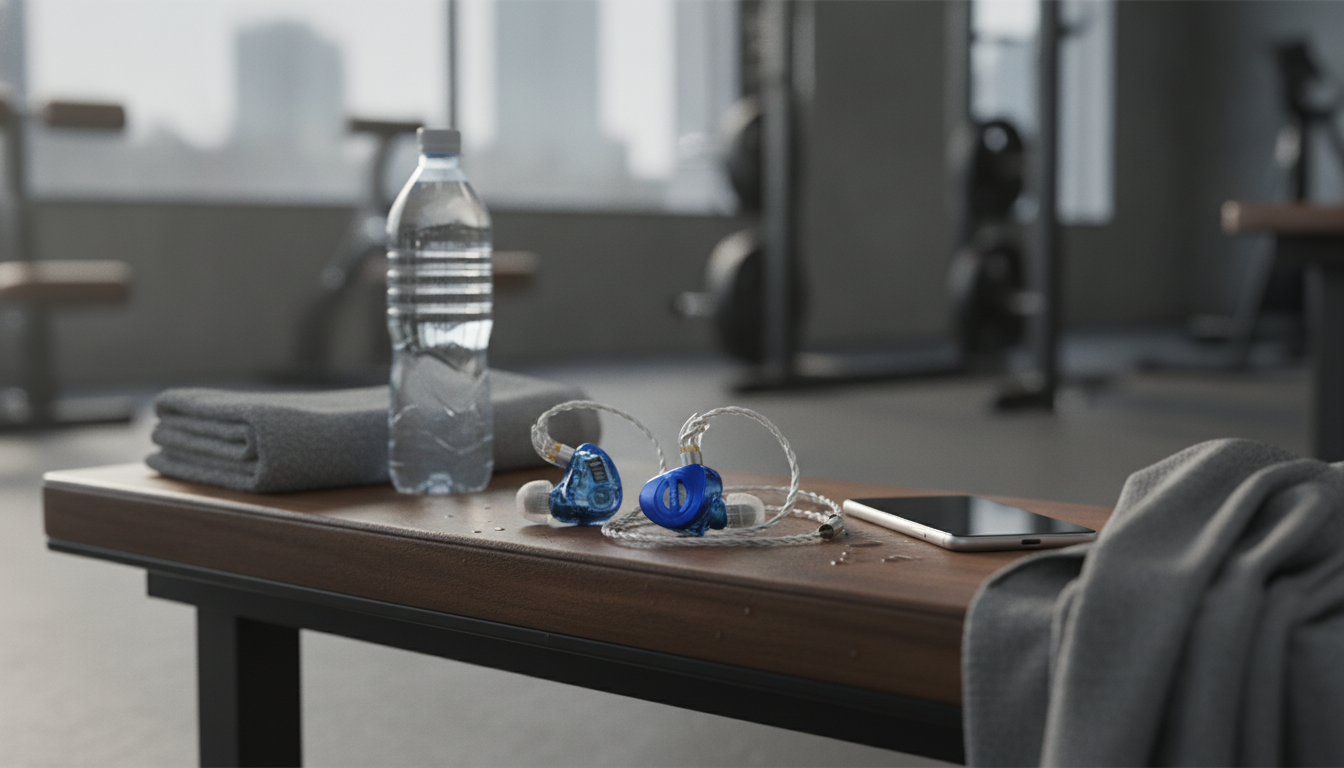
Dual Dynamic Bass In-Ear Headphones: HiFi Sound, Noise Isolation, and Sport-Ready Fit
Dual-driver in-ear monitors are built for listeners who want punchy low end without losing clarity. A well-executed dual dynamic design can deliver satisfying impact for hip-hop, EDM, and rock while keeping vocals and instruments easier to pick out in the mix. Below is a practical guide to what dual dynamic drivers change, how “noise canceling” often works in in-ear headphones, and what matters most for workouts, commuting, and everyday listening.
What Dual Dynamic Drivers Change in Everyday Listening
With two dynamic drivers, the earphones can split the workload so bass notes stay full while vocals and cymbals remain more defined. That division can help reduce the “everything feels piled together” effect that sometimes shows up when a single driver is pushed hard, especially on dense tracks.
Improved separation is easiest to notice when kick drum, bass guitar (or 808), and vocals overlap. Instead of the bass masking the midrange, a dual dynamic setup can keep the low-end energy present while allowing lyrics and snares to remain intelligible.
That said, driver count isn’t a magic switch. A good seal in the ear canal heavily influences perceived bass and overall tonal balance—ear tip choice can matter as much as the internal design. If the seal leaks, bass drops fast and the sound can become thin or sharp. Many listeners who are sensitive to edgy treble also prefer dynamic-driver tuning because it often comes across as smoother than some all-balanced armature designs.
Driver Designs at a Glance
| Design | Typical strengths | Typical trade-offs | Best for |
|---|---|---|---|
| Single dynamic | Natural bass and timbre, simple tuning | Less separation at high volumes | Casual listening, all-round use |
| Dual dynamic | Stronger bass control, better layering | Fit and tuning matter; can be bulky | Bass-forward music, commuting, gym |
| Hybrid (dynamic + BA) | Detail and clarity with punch | Can sound uneven if crossover is poor | Mixed genres, detail-focused listeners |
Noise Reduction: What “Noise Canceling” Can Mean for In-Ear Monitors
Many in-ear models reduce noise primarily through isolation rather than true active noise canceling (ANC). Isolation happens when the ear tips create a secure seal that blocks outside sound mechanically. In daily use, this can be surprisingly effective—especially against steady sounds like train rumble, treadmill noise, and HVAC fans.
Tip material makes a real difference. Foam tips commonly block more noise because they expand to fill small gaps in the ear canal. Silicone tips are easier to clean, can feel cooler during workouts, and may be more comfortable for long sessions depending on ear shape.
To maximize isolation, insert gently, then twist slightly to lock in the seal. A quick test: speak a few words. With a proper seal, your voice tends to sound a bit “inside your head,” and outside noise becomes noticeably duller. If you lose bass when you smile, chew, or turn your head, the seal is slipping—switch tip sizes or try a different material.
Sport Fit and Stability: Comfort That Holds Through Movement
Sound Profile: Bass Impact Without Losing the Midrange
Quick Specs Checklist Before Buying
Before choosing any in-ear monitors for commuting or training, focus on the basics that directly affect daily satisfaction: fit, seal, and how the earphones behave when you move. Also remember that safe listening is part of performance—better isolation often lets you listen at lower volumes. For guidance on protecting your hearing, see overviews from the World Health Organization and the CDC.
Pre-Purchase Checklist
| Priority | What to look for | Why it matters |
|---|---|---|
| Comfort | Multiple ear tip sizes, smooth housing edges | Prevents fatigue during long sessions |
| Seal | Tips that fill the ear canal without pain | Improves bass and reduces outside noise |
| Stability | Over-ear cable option, snug fit | Helps during running and training |
| Clarity | Balanced mids, controlled treble | Vocals and details stay present |
| Maintenance | Easy-to-clean tips, storage case | Extends lifespan and hygiene |
Featured Pick: Dual Dynamic Bass In-Ear Headphones HiFi Noise Canceling Sport Monitors
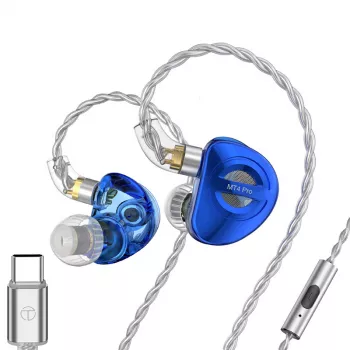
If you want an energetic, bass-forward sound for workouts and commuting, Dual Dynamic Bass In-Ear Headphones HiFi Noise Canceling Sport Monitors are designed to emphasize impactful low end while keeping the presentation lively. The in-ear fit supports strong passive noise reduction when you achieve a proper seal, and the best results typically come from experimenting with ear tip size and insertion depth to lock in both bass and comfort.
Product Snapshot
| Item | Price | Availability |
|---|---|---|
| Dual Dynamic Bass In-Ear Headphones HiFi Noise Canceling Sport Monitors | 37.51 USD | In stock |
More In-Stock Finds
- Men’s Genuine Leather Belt with Solid Brass Buckle
- Mini Golf Beginner’s Checklist | Easy Step-by-Step Guide for How to Take Up Mini Golf | Printable Digital Checklist for First-Time Players
FAQ
Do dual dynamic drivers always sound better than a single driver?
No—“better” depends on tuning and fit. Dual drivers can improve separation and bass control, but a well-tuned single dynamic can outperform a poorly tuned dual-driver model, especially if the dual-driver fit is inconsistent.
How can in-ear headphones reduce noise without active noise canceling?
They rely on passive isolation: the ear tips create a seal that blocks outside sound. Foam tips often isolate more, while silicone tips are easier to clean; correct insertion and a secure seal make the biggest difference.
What’s the easiest way to get stronger bass from in-ear monitors?
Improve the seal first. Try different tip sizes or foam tips, insert the earphones gently and twist slightly to lock the fit, then check that bass stays consistent when you move your jaw or walk.













Leave a comment